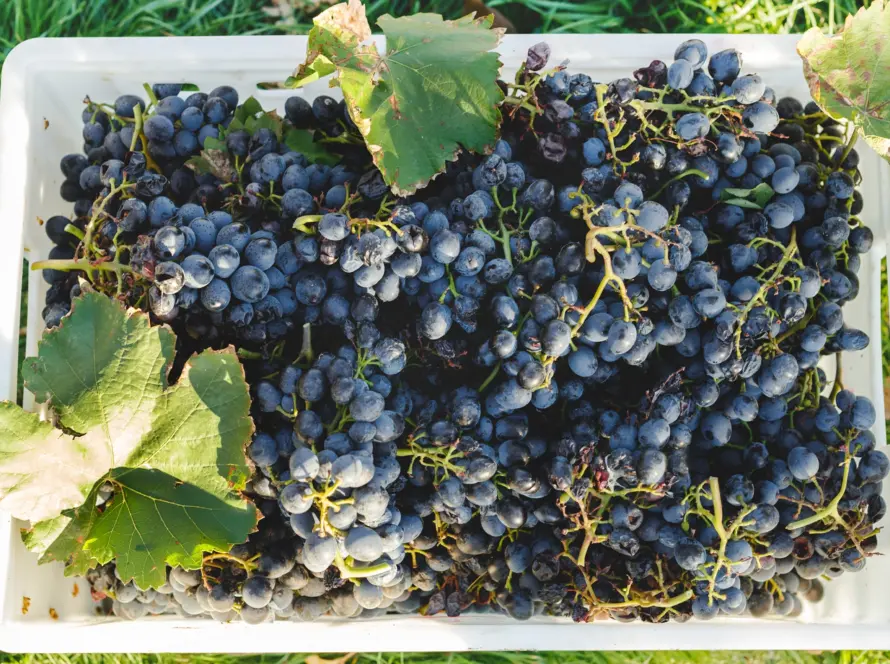
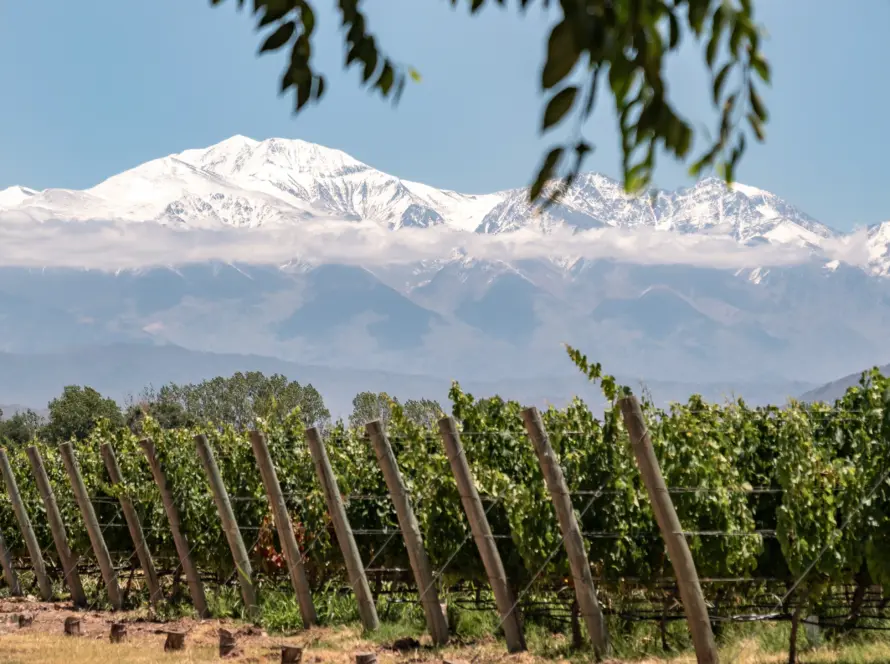
Everyone knows Mendoza for its reds. But high altitude, cool nights, and a handful of remarkable grape varieties are producing white wines from Argentina that deserve to be in every serious wine lover’s glass — especially in Florida’s climate.

Malbec has dominated the conversation around Argentine wine for so long that it’s easy to forget there’s a completely different world of wines being made in Mendoza. White wines. Wines with freshness, aromatic complexity, and a sense of place that rivals anything coming out of better-known white wine regions.
For Florida wine drinkers, this matters. In a state where the weather calls for something cold and refreshing for much of the year, and where a diverse culinary scene demands wines with real versatility, Mendoza white wines offer something genuinely exciting — and at price points that make them easy to discover without much risk.
Why High Altitude Makes White Wine Better
The same conditions that make Mendoza’s reds exceptional work even harder in the production of white wines. At elevations above 3,000 feet, the dramatic difference between daytime and nighttime temperatures — a swing that can exceed 30°F in a single day — slows the ripening process dramatically.
For white wine grapes, slow ripening is everything. It allows the grapes to accumulate sugar while retaining the natural acids that give white wine its backbone and freshness. Without that acidity, white wine becomes flabby and forgettable. With it, you get the crisp, vibrant quality that makes a wine worth drinking on its own and pairing with food.
The Valle de Uco subregion, where elevations regularly exceed 4,000 feet, is producing white wines with a mineral precision that is genuinely rare in the New World. These are wines that feel at home alongside the best examples from Burgundy or the Loire Valley — not imitations, but originals made in their own image.
Mendoza white wine is one of the world’s best-kept secrets. The altitude gives you what no winemaker can manufacture: true freshness.
The White Grape Varieties of Mendoza
Sauvignon Blanc
Originally from the Loire Valley, France
Mendoza’s high-altitude Sauvignon Blanc is a revelation. At lower elevations, Sauvignon Blanc can become over-ripe and flat. In the Valle de Uco’s cool conditions, it retains the piercing citrus, green herb, and stone fruit character that makes the variety great — while developing a richness and weight that sets Mendoza’s version apart from simpler expressions of the grape.
The best examples show grapefruit pith, white peach, and a saline mineral note that lingers on the finish. Fermented in stainless steel to preserve freshness, they are some of the most food-friendly white wines in our entire selection.
Aromas: Citrus, white peach, fresh herbs, mineral
Style: Crisp, dry, medium body
Best with: Seafood, goat cheese, salads
Semillón
Bordeaux variety with deep Argentine roots
Semillón is one of those grape varieties that most wine drinkers have heard of but few have actually tasted as a serious single-varietal wine. Mendoza’s old-vine Semillón plantings — some dating back to the early 20th century — produce wines of extraordinary character: waxy texture, honey and lanolin notes, citrus peel, and a richness that deepens beautifully with a few years of bottle age.
These are wines for people who want something more than freshness — wines with substance, texture, and the kind of complexity that demands a second glass. Pair them with richer dishes: think creamy sauces, shellfish, or simply aged cheese on a quiet evening.
Aromas: Lemon curd, beeswax, pear, lanolin
Style: Full-bodied, textured, off-dry to dry
Best with: Lobster, cream sauces, Brie
Moscatuel
Rare Muscat variety, barely known outside Argentina
Moscatuel is one of those wines that makes wine lovers stop and ask: “what is this?” A rare variety in the Muscat family, it produces wines with intensely aromatic, floral character — think orange blossom, apricot, and white rose — but with a dry, crisp finish that keeps it from feeling sweet or heavy. It’s the kind of wine that works brilliantly as an aperitif, alongside spiced dishes, or paired with the kind of light, citrus-forward cuisine that Florida’s restaurants do so well.
You will not find Moscatuel at any major wine chain. Its production is tiny, its distribution almost nonexistent. Opening a bottle is a genuinely rare experience.
Aromas: Orange blossom, apricot, white rose, citrus zest
Style: Aromatic, dry, light to medium body
Best with: Spiced dishes, Thai food, fruit-based desserts
Pedro Ximénez
Spanish variety — a completely different expression in Mendoza
Most people who know Pedro Ximénez know it from the dark, syrupy dessert wines of Jerez, Spain. Mendoza does something completely different with this grape. Here, harvested earlier and vinified dry, Pedro Ximénez produces a delicate, pale white wine with apple blossom, green apple, and a light, almost herbal quality. It’s understated, precise, and completely unlike its Spanish counterpart. For wine explorers, it’s one of the most intriguing discoveries in the Mendoza white wine portfolio.
Aromas: Green apple, apple blossom, white flowers, subtle herbs
Style: Light, dry, very fresh
Best with: Light seafood, vegetable dishes, as an aperitif
White Blends
Winemaker’s art — the sum of many parts
Some of Mendoza’s most interesting white wines don’t carry a single varietal name. Instead, winemakers blend two, three, or four of the varieties above — combining the citrus precision of Sauvignon Blanc with the texture of Semillón, or adding the aromatic lift of Moscatuel to a base of Pedro Ximénez. These assemblage-style whites are a canvas for the winemaker’s vision, and when done well, they achieve a complexity that no single grape can match on its own.
Style: Varies by producer — always worth trying
Best with: Versatile — match to dominant variety
Serving Mendoza Whites Correctly
White wine is frequently served too cold — especially in Florida, where the instinct is to chill everything to the maximum. Over-chilling mutes the very aromas and textures that make these wines interesting. Here are the right temperatures:
Serving temperature guide
Sauvignon Blanc
45–48°F
Moscatuel / Pedro Ximénez
46–50°F
White Blends
48–52°F
Semillón (especially aged)
52–56°F
Once opened, white wines benefit from being re-stoppered and kept in the fridge. Most Mendoza whites will hold well for 2–3 days. Aromatic varieties like Moscatuel and Pedro Ximénez are best on the first day — their fragrance fades quickest.
The Perfect Match: Mendoza Whites and Florida’s Food Scene
Florida’s culinary landscape is one of the most diverse in the United States — and it creates a near-perfect context for exploring Mendoza’s white wines. The region’s fresh seafood, Latin-influenced cooking, and year-round grilling culture are natural partners for the freshness and structure these wines offer.
Mendoza white – Florida food
Sauvignon Blanc Stone crab claws, key lime ceviche, grilled snapper
Semillón Lobster bisque, shrimp in butter sauce, soft cheeses
Moscatuel Cuban picadillo, spiced pork, mango-based dishes
Pedro Ximénez Light fish tacos, vegetable crudités, oysters
White Blends Whatever’s on the table — that’s the point of a good blend
Why These Bottles Don’t Reach Most Wine Shops
The white wines of Mendoza’s small producers face the same distribution challenge as their reds. A boutique winery producing 4,000 bottles of Semillón per year cannot supply a national retail chain — and the economic pressure of working through standard US distribution channels often forces producers to prioritize higher-margin red wines for export.
The result is that most of Mendoza’s finest white wines simply never reach Florida through conventional channels. What reaches the shelves of Total Wine or the local supermarket represents the large-production, export-optimized tier — not the hand-harvested, low-yield whites that define what the region is truly capable of.
Unique Wines was built specifically to change this. By working directly with small Mendoza producers and shipping to Florida customers without passing through the standard distribution chain, we can offer wines that are genuinely impossible to find anywhere else in the state.
A Final Thought: The Case for Argentine White Wine
For too long, wine drinkers who wanted interesting, food-friendly whites looked only to France, Italy, or New Zealand. Mendoza deserves a place in that conversation — not as an imitation of European styles, but as a region with its own terroir, its own grape varieties, and its own vision of what white wine can be.
If you have never tried a high-altitude Mendoza Sauvignon Blanc, a textured old-vine Semillón, or the extraordinary fragrance of a Moscatuel from a small family bodega — there has never been a better time to start.

Explore Mendoza whites you won’t find anywhere else in Florida.