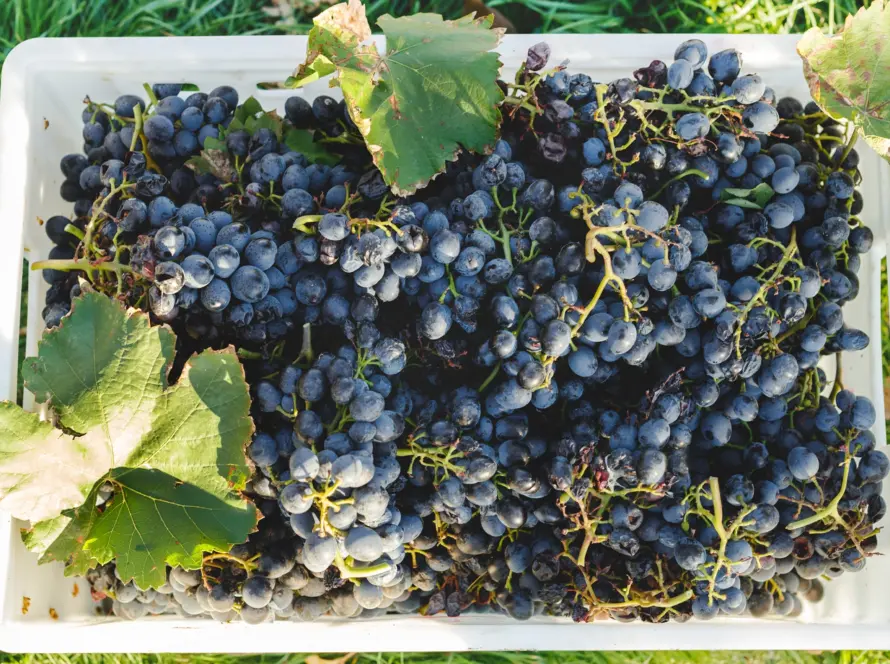
Tucked against the eastern slopes of the Andes, Mendoza produces wines that taste like nothing else on earth. Here’s why the world’s top sommeliers keep coming back — and why Florida wine lovers are finally discovering what they’ve been missing.
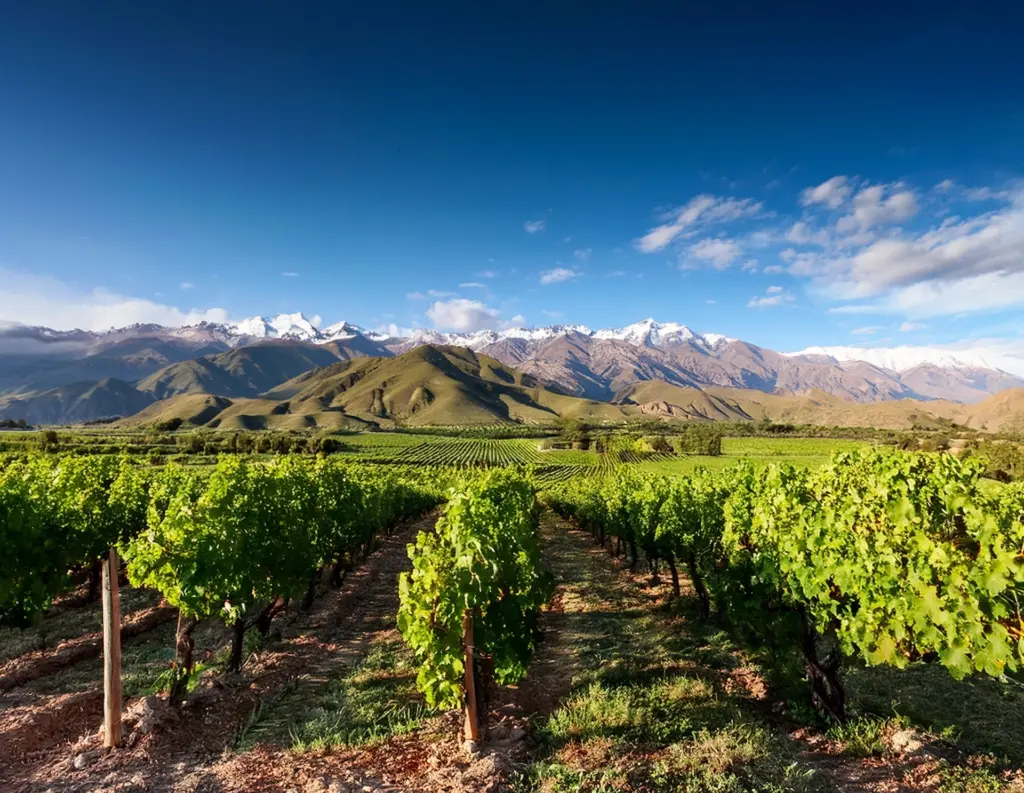
When most Americans think of fine wine, France and Italy come to mind. But over the past two decades, a quiet revolution has been happening at the foot of the Andes — and the wines coming out of Mendoza, Argentina are forcing the world to pay attention.
Mendoza is not just another wine region. It is one of the most geographically extreme and climatically unique wine-producing areas on the planet. And once you understand why, every sip begins to make a lot more sense.
The Geography That Changes Everything
Mendoza sits at roughly 32° to 35° south latitude, in the rain shadow of the Andes Mountains on Argentina’s western edge. The city itself sits at about 2,500 feet above sea level — but the vineyards that produce the most prized wines climb far higher, reaching elevations of 4,000 to over 5,000 feet in subregions like Luján de Cuyo and the Valle de Uco.
That altitude is everything. At higher elevations, UV radiation is more intense, which forces grape skins to thicken and develop more polyphenols — the compounds responsible for color, tannin structure, and the complex aromas that make a wine memorable. Meanwhile, the dramatic difference between daytime and nighttime temperatures (sometimes more than 30°F in a single day) slows ripening, allowing grapes to develop deep flavor while retaining natural acidity.
Altitude does for Mendoza what the Gulf Stream does for Bordeaux. It’s the invisible ingredient in every great bottle.
The result is wines with an unusual combination: ripe, concentrated fruit on one hand, and vibrant freshness and structure on the other. It’s a balance that cooler, lower-altitude regions struggle to achieve.
MENDOZA BY THE NUMBERS
5000+
feet — highest vineyards
300+
days of sunshine per year
70%
of Argentina’s wine production
A Desert With Ancient Water
Mendoza receives less than 9 inches of rain per year — barely a desert by definition. By all rights, the region shouldn’t be able to support viticulture at scale. Yet for centuries, an ancient system of irrigation canals fed by Andean snowmelt has transformed the dry, sandy soil into one of the most productive wine landscapes on earth.
This low rainfall is actually a major advantage. It means almost no risk of the fungal diseases that plague producers in Europe’s wetter climates. Many Mendoza producers farm organically or biodynamically with relative ease, because the dry conditions simply don’t require the chemical interventions common elsewhere.
The soils themselves — deep alluvial deposits brought down from the mountains over millennia — are poor in organic matter but rich in minerals, and they drain extremely well. Vines stressed by lean soil are vines that channel all their energy into producing smaller, more concentrated, more flavorful grapes.
The Subregions That Define the Diversity
One of the most underappreciated facts about Mendoza is how diverse it is within its own borders. The “Mendoza wine” label covers an enormous range of styles and elevations, and the differences between subregions are as distinct as those between villages in Burgundy.
Luján de Cuyo
Often called the “First Denomination of Origin” for Malbec in Argentina, Luján de Cuyo sits at elevations between 2,800 and 3,600 feet. Its old-vine Malbec plantings — some over 100 years old — produce wines of extraordinary depth and elegance. This is where Mendoza’s reputation for world-class Malbec was born.
Valle de Uco
The most exciting subregion for wine explorers. Valleys like Tupungato, San Carlos, and Tunuyán reach elevations above 4,500 feet and are producing some of the most complex, age-worthy wines in the Southern Hemisphere. Cool nights and intense sun create whites and reds with a precision that rivals the world’s best.
Maipú
The historic heart of Mendoza winemaking, Maipú is home to some of the oldest wineries in Argentina. Its lower altitude and warmer profile produce fuller, more immediately approachable reds — often the perfect introduction to the region for first-time explorers.
The Grape Varieties That Define a Region
Malbec is the grape that put Mendoza on the global map. Originally from Cahors in southwest France, Malbec found its true home in Argentina — particularly Mendoza — where the high altitude and intense sun transform it into something far richer and more expressive than its European origins suggest.
But Mendoza is far more than Malbec. Cabernet Sauvignon, Cabernet Franc, Syrah, Petit Verdot, and Bonarda thrive here alongside increasingly celebrated whites like Torrontés, Sauvignon Blanc, and Chardonnay. And for the adventurous palate, Mendoza is home to rare, almost-forgotten varietals like Aspirant Bouchet and Pedro Ximénez — grapes that simply don’t exist in commercial production anywhere else in the world.
Why Small Producers Matter
The story most people know about Mendoza involves the large, export-focused bodegas whose labels fill the shelves of supermarkets and chain wine stores across the United States. These are fine wines, consistently made. But they represent only a fraction of what Mendoza truly has to offer.
The real discovery is in the small, family-run producers — boutique bodegas with limited production, farming parcels that have been in the same family for generations, and winemakers who have no interest in adjusting their wines for mass-market palates. These are wines made with obsession, not formula. And they are almost never exported in large enough quantities to reach standard retail channels.
- Production runs of 2,000–8,000 bottles per label
- Farming methods passed down across generations
- Old-vine fruit that simply can’t be replicated
- Winemaking decisions made by people, not committees
These are the bottles that make wine lovers stop mid-conversation. And these are exactly the wines that Unique Wines brings directly to Florida — sourced, curated, and shipped from Mendoza without passing through distributors or big-box retail chains.
What Makes Mendoza Wine Right for Florida?
Florida’s wine culture is evolving rapidly. Consumers who once reached for predictable labels are increasingly curious about character, terroir, and the story behind the bottle. The state’s culinary diversity — from Cuban and Caribbean influences to high-end steakhouses and farm-to-table restaurants — creates a demand for wines with versatility, structure, and a sense of place.
Mendoza delivers all three. Its bold reds pair naturally with the grilled meats central to Florida’s food culture. Its aromatic whites are perfect for the state’s year-round warmth. And its rosés — increasingly complex, dry, and food-friendly — are a revelation for those who thought they didn’t like pink wine.
Ready to explore Mendoza without leaving Florida?