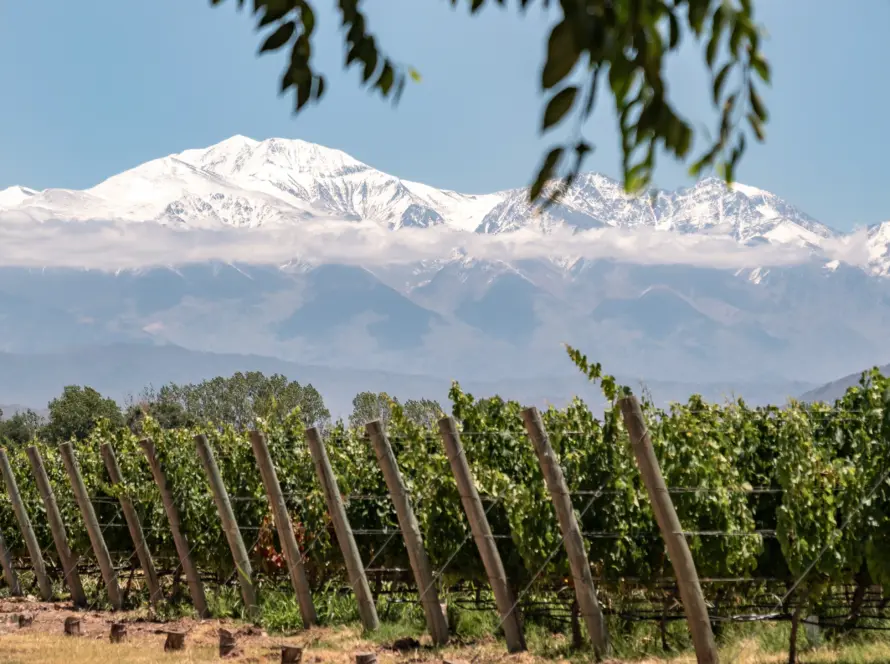
Malbec made Mendoza famous. But the region’s red wine story is far richer, stranger, and more exciting than one grape could ever tell. From thunderous Cabernet Sauvignon to the nearly-forgotten Aspirant Bouchet, here’s what you need to know.
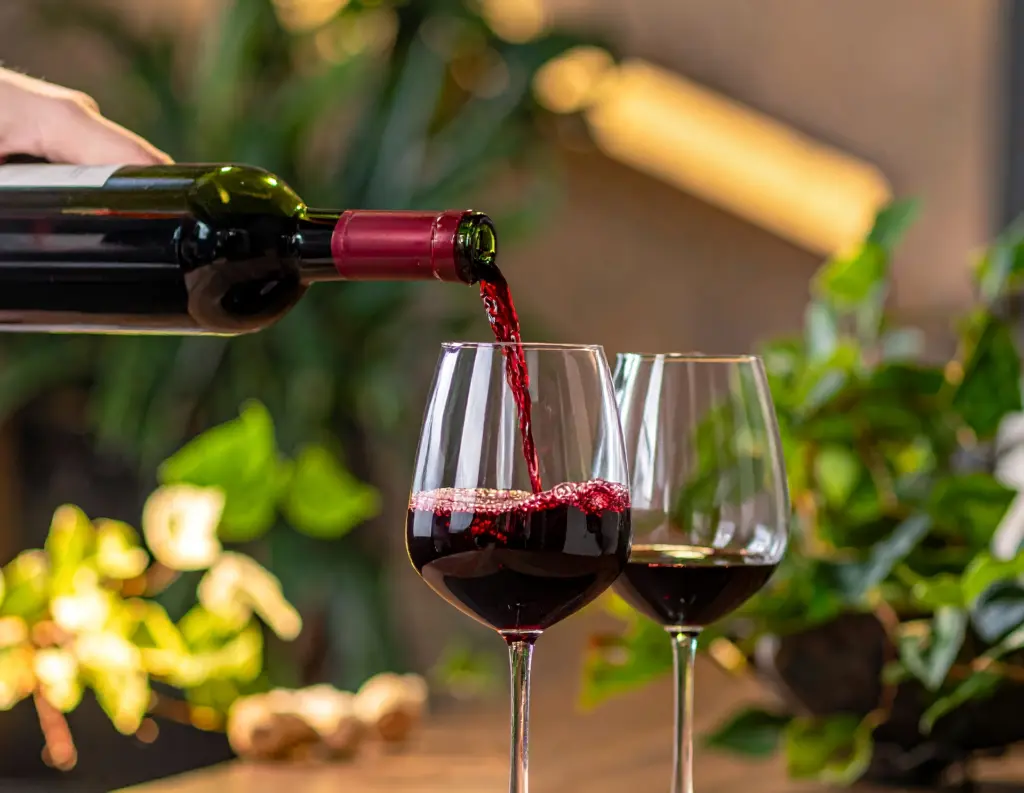
Ask anyone what wine comes from Argentina and the answer is almost always the same: Malbec. It’s the correct answer — but it’s dangerously incomplete. Mendoza is home to a constellation of red grape varieties, each shaped by the region’s extraordinary terroir into something genuinely distinctive, and many of them are almost entirely unknown to the average American wine drinker.
This guide exists to fix that. Whether you’re a committed Malbec devotee looking to go deeper, or a curious wine lover ready to explore beyond the familiar, Mendoza’s red wine universe has something that will stop you mid-sip.
Start Here: Understanding What Makes Mendoza Reds Unique
Before diving into individual grape varieties, it helps to understand the conditions that shape all of Mendoza’s red wines. Three factors matter most.
High altitude and intense UV radiation force grapevines to develop thicker skins as a defense mechanism. Thicker skins mean more of everything that makes red wine interesting: deeper color, more tannin, more polyphenols, and more of the complex aromatic compounds that emerge during fermentation and aging.
Extreme diurnal temperature variation — the swing between warm days and cold nights — slows the ripening process and allows grapes to develop full flavor while retaining natural acidity. Without acidity, red wines feel flat and heavy. With it, they feel alive.
Arid conditions and lean soils stress the vines in productive ways, reducing yields and concentrating flavors in the fruit that does develop. Mendoza’s vines work harder than almost anywhere else on earth — and the wines are richer for it.
The Red Grape Varieties of Mendoza
Mendoza’s signature
Malbec
Originally from Cahors, France, where it’s known as Côt, Malbec found its true spiritual home in Mendoza’s high-altitude vineyards. The Argentine version is richer, rounder, and more expressive than its European ancestor — deeper in color, with a plush texture and generous fruit that makes it approachable young while rewarding patience in the cellar.
The range within Mendoza Malbec is enormous. Entry-level bottlings from the valley floor offer straightforward plum and violet aromas. Single-vineyard, high-altitude Malbecs from the Valle de Uco or Luján de Cuyo are among the world’s most complex red wines, with layers of dark fruit, mineral precision, and a structure that suggests decades of development ahead.
Aromas: Plum, violet, dark cherry, cocoa, graphite
Body: Full, velvety tannins
Best with: Grilled beef, lamb, aged cheeses
The powerhouse
Cabernet Sauvignon
Mendoza’s Cabernet Sauvignon is built differently from Napa or Bordeaux. The high-altitude UV exposure creates firmer, finer tannins and a more angular structure, while the warm days allow for full phenolic ripeness. The result is a Cabernet with classic cassis and cedar character but a distinctly Andean energy — tighter, more mineral, and often more age-worthy than its counterparts at lower elevations.
The best examples from subregions like Agrelo and Las Compuertas show how compelling Argentine Cabernet can be when produced at boutique scale with serious intent.
Aromas: Blackcurrant, cedar, tobacco, eucalyptus
Body: Full, firm structured tannins
Best with: Prime rib, hard cheeses, roasted lamb
The rising star
Cabernet Franc
Cabernet Franc is having its moment globally, and Mendoza is one of the most exciting places to watch it happen. Lighter-bodied than Malbec or Cabernet Sauvignon, it brings an elegant, almost perfumed quality — think dried herbs, red currant, and a telltale pencil-shaving note that wine lovers find irresistible. In the Valle de Uco’s cooler elevations, Cabernet Franc achieves a refinement that rivals the best examples from the Loire Valley.
Aromas: Red currant, graphite, dried herbs, violet
Body: Medium, silky tannins
Best with: Duck, mushroom dishes, soft cheeses
Argentina’s best-kept secret
Bonarda
Bonarda is Argentina’s second most-planted red variety after Malbec, yet almost nobody outside the country has heard of it. This is partly because it goes by different names elsewhere (it may be related to Douce Noire from Savoie), and partly because Argentine producers have historically used it as a blending grape rather than a star. That’s changing rapidly. Single-varietal Bonarda from Mendoza is soft, deeply colored, with an irresistible combination of dark fruit, earthy spice, and gentle tannins. It’s the red wine that converts people who say they don’t like red wine.
Aromas: Blackberry, clove, earth, chocolate
Body: Medium-full, soft tannins
Best with: Pizza, pasta, casual grilling
The dark horse
Petit Verdot
In Bordeaux, Petit Verdot is the blending grape nobody talks about — the one that adds color and structure in small percentages but rarely stars on its own. In Mendoza’s warm, sunny climate, it fully ripens and can be bottled as a varietal wine of extraordinary depth. Think inky purple color, dense black fruit, and a spicy finish that lingers for what feels like minutes. Not for the faint of heart, but unforgettable for those willing to try it.
Aromas: Blueberry, violet, dark spice, leather
Body: Full, powerful, dense tannins
Best with: Slow-cooked meats, strong aged cheeses
Extremely rare
Aspirant Bouchet
This is the one that stops sommeliers in their tracks. Aspirant Bouchet is a virtually extinct variety — a crossing of Cabernet Sauvignon and Grenache that barely exists in commercial production anywhere on earth. A handful of families in Mendoza preserved old-vine plantings of this grape when everyone else was pulling them out, and the result is wines of haunting complexity: floral, mineral, and unlike anything else in the world of red wine. If you see a bottle, open it.
Aromas: Wild herbs, garnet fruit, mineral, smoke
Body: Medium, very fine tannins
Best with: Game, roasted vegetables, hard cheeses
A Quick Guide to Aging Mendoza Reds
One of the most common questions about Mendoza red wines is when to drink them. The answer varies enormously by grape variety and producer. Here is a general guide:
| Variety | Drink now or cellar? | Peak window |
|---|---|---|
| Bonarda | Drink within 2–3 years | Fresh, fruit-forward — don’t wait |
| Malbec (entry) | Drink now | 1–4 years from vintage |
| Cabernet Franc | Drink or short cellar | 2–6 years from vintage |
| Malbec (Reserva/single vineyard) | Cellar-worthy | 5–12 years from vintage |
| Cabernet Sauvignon | Cellar-worthy | 6–15 years from vintage |
| Petit Verdot | Cellar strongly | 8–15+ years from vintage |
Serving Mendoza Reds: The Basics
Temperature matters more than most people realize. Mendoza reds served at room temperature in a Florida home — which can mean 74°F or warmer — will taste flat, alcoholic, and dull. The ideal serving temperatures are:
Dense, tannic reds (Petit Verdot): 65–68°F — serve at the coolest end of “room temperature”
Light to medium reds (Bonarda, Cabernet Franc): 60–62°F — 20 minutes in the fridge before serving
Full-bodied reds (Malbec, Cabernet Sauvignon): 62–65°F — 10–15 minutes in the fridge
“A red wine served too warm loses everything that makes it worth drinking. When in doubt, cool it down ten minutes.”
All structured red wines benefit from being opened 30–60 minutes before serving. Decanting is optional but recommended for anything with more than 5 years of age or dense tannins.
Why Florida Should Be Drinking More Mendoza Red
Florida’s wine market is dominated by familiar, safe labels. The shelves of most wine retailers are stacked with the same Napa Cabernets, the same Chilean Malbecs, the same Burgundy Pinot Noirs. These are fine wines. But they don’t represent the full spectrum of what the world’s vineyards can produce.
Mendoza’s small producers — farming old-vine parcels, working with rare and forgotten grape varieties, making decisions based on passion rather than market research — are creating wines that belong in the conversation with the world’s best. And they are available at prices that make that conversation accessible to anyone who’s curious enough to have it.
These are the bottles that make wine lovers stop mid-conversation. And these are exactly the wines that Unique Wines brings directly to Florida — sourced, curated, and shipped from Mendoza without passing through distributors or big-box retail chains.
From classic Malbec to rare Aspirant Bouchet — explore Mendoza reds shipped direct to Florida.